
Beyond the Dip: Why Brands and Distributors Need to Look Past the "Calendar Illusion"
When monthly revenue numbers dip, the instinctive reaction is often to pivot strategy or cut budgets immediately. Yet what appears to be a sudden downturn is often just a calendar quirk that masks steady, healthy growth.
At the start of every month, salon owners, brand leaders, and distributors all look at the same rearview mirror: the previous month's sales data. When that data shows a decline, the instinct is often to scramble. For owners, it means questioning their staff or pricing. For brands and distributors, it often triggers an immediate pivot—slashing budgets, pulling support, or flooding the channel with desperate promotions.
But what if the problem you are solving doesn't actually exist?
According to the latest insights from The KIM Report, cited in a recent article featured on SalonToday.com, the industry recently faced exactly this scenario. Looking at May 2026 data in isolation, the numbers for revenue, visits, and color activity all dipped compared to May 2025. It looked like a crisis.
However, the "crisis" was actually a math problem.
The Calendar Illusion
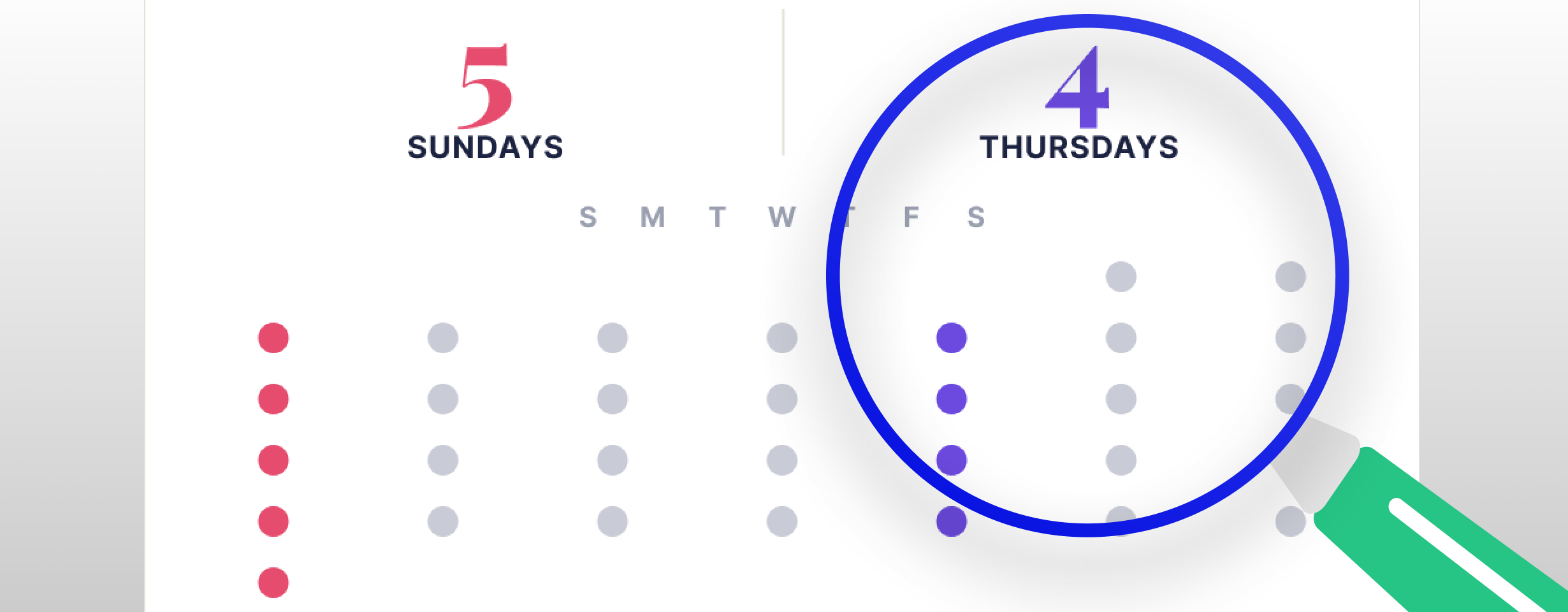
The KIM Report's data revealed that May 2026 had a different structure than May 2025. Last year, the calendar gave the industry a significant lift with five Thursdays, five Fridays, and five Saturdays—the highest-revenue days of the week. This year, that structure shifted, effectively removing one of those high-earning days from the schedule.
When you strip away that "calendar noise" and compare days fairly, the industry wasn't collapsing; it was holding steady. Business was stable, and service tickets were actually up 3%.
Why This Matters for Brands and Distributors
For manufacturers and distributors, understanding the "Calendar Illusion" is more than just a trivia point—it is a critical tool for strategic partnership. Here is how access to accurate, data-backed insights like those in The KIM Report fundamentally improves your operations:
- Preventing Over-Correction: When you don't have the full context, it is easy to overreact to a "down" month. Brands might push unnecessary aggressive discounting, and distributors might pull back on essential support. This reaction destroys margin and undermines long-term brand equity. Using KIM data allows you to distinguish between a calendar anomaly and a true performance trend, helping you avoid costly, reactive mistakes.
- Building Trusted Partnerships: A distributor who can sit down with a salon owner and say, "I see your revenue is down, but let's look at why—your Thursday count was lower, but your service ticket is actually growing," is a strategic partner. You move from being a vendor chasing numbers to a consultant providing clarity. This level of insight strengthens the distributor-salon bond and positions you as an indispensable resource.
- Aligning Marketing with Reality: Brands using vetted data can plan more effectively. If you know that a "down" month is purely structural, you don't need to panic. You can stay focused on long-term growth levers—such as increasing visit frequency or promoting high-value color maintenance—which are proven to drive revenue regardless of which day of the week a client walks in.
- Targeting Demand Where It Lives: The KIM Report data highlights shifts that might otherwise go unnoticed—like the fact that Sunday revenue is growing faster than any other day of the week. Armed with this information, brands and distributors can guide salons to schedule top stylists on Sundays and promote services for that day, rather than treating it as an afterthought.
Stop Guessing, Start Growing
The most expensive decisions in the beauty industry are the ones made in a hurry, based on numbers that aren't telling the whole truth.
The KIM Report acts as an industry "GPS," separating the noise of calendar fluctuations from the signal of actual business health. For brands and distributors, the message is simple: Don't chase a problem that isn't there. Use the data to stay the course, protect your margins, and empower your salons to focus on the work that actually builds value.
The salon industry is evolving, and those who join this data-driven movement are setting the pace. Those who wait will be left reacting to numbers, while others are already acting on insights.
.svg)
